Getting an audit notice doesn’t mean doom and gloom for your business; it’s just part of the routine for many companies. Basically, an audit notice is a formal request from the tax office or another authority to examine your financial records. Businesses can receive these notices for various reasons, such as random selection, discrepancies in reports, or industry-specific issues. When it happens, it’s important to see it as an opportunity to ensure that your financial records are accurate and meet all necessary standards.
Staying calm and taking proactive steps when you get an audit notice is key. By approaching the situation with a clear head and an organised plan, you can reduce stress and manage the process more smoothly. Think of it as assembling all the elements of a puzzle; each piece has a purpose and fits into a larger picture. Whether you work alone or with a professional, having a clear strategy will help transform the task into something manageable.
Understand the Audit Notice
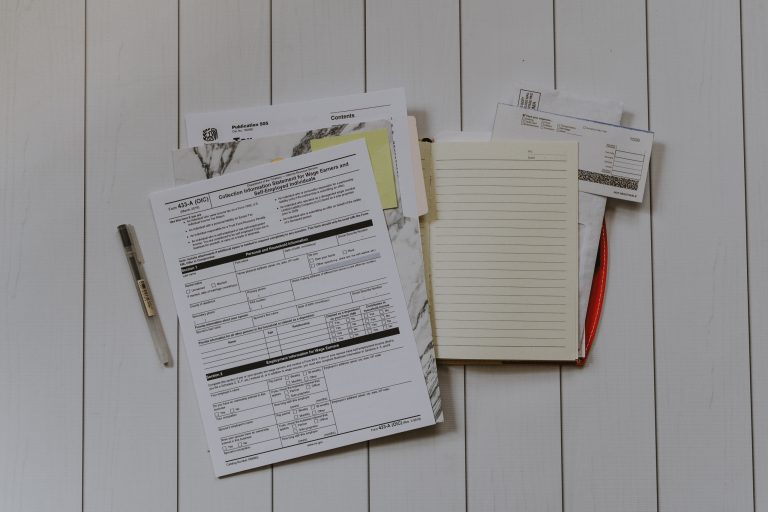
Understanding what your audit notice is asking for is crucial. Break down the letter to find what documents or information the auditors need. Usually, the notice will specify certain financial records you need to provide, such as tax returns, bank statements, and receipts. Reading the notice carefully ensures you will compile the right documents and avoid unnecessary back-and-forth communication with auditors.
So, let’s break it down with an example: Imagine the notice as a checklist your teacher gives you for exams. This checklist tells you exactly what topics you need to study. The audit notice works the same way; only instead of study topics, it lists documents and data the tax office wants to see. This clear understanding allows you to gather what’s necessary without scrambling at the last minute.
Once you’ve read the notice thoroughly, it helps to jot down the key requests and any deadlines. This way, you create a simple action plan that keeps you organised and prepared. Don’t hesitate to ask for clarification if needed, so you’re sure about what’s expected. Handling the notice this way lays a foundation for the next steps, ensuring you’re ready to face the audit confidently.
Gather Required Documents
After understanding what the audit notice asks for, the next step is to gather the necessary documents. This can feel overwhelming, but with a little organisation, it doesn’t have to be. Start by listing out all the documents and records mentioned in the notice. Common items include:
– Income statements
– Tax returns
– Bank statements
– Receipts for expenses
With your list in hand, begin collecting these documents in one place, such as a folder or a digital folder on your computer. It’s helpful to label every document clearly and ensure everything is complete. Keeping everything organised reduces the chance of going back and forth with auditors if they require additional information.
Another tip is to set aside some uninterrupted time to work on this task. It may help to break down the task into smaller, manageable segments, perhaps tackling one category of documents each day. This makes the process feel less daunting and ensures you’re thorough.
Consult with a Professional
Once you’ve sorted out the documents, it might be the right time to consult a professional. Especially if you’re located on the Sunshine Coast, reaching out to local business auditing experts can be really useful. Professionals can help clarify any confusing points and offer guidance based on their experience with audits in your area.
Moreover, they can help ease any stress you might feel. Having someone experienced to talk to can significantly lighten your burden. They can guide you through the entire process, from what to expect during audits to tips on dealing with potential issues that may arise. During your consultation, be open about any concerns or questions you may have, and let the expert lead you to effective solutions.
Prepare for the Audit Meeting
The final step before the actual audit is preparing for the meeting. Now that you’ve got your documents in order and spoken with a professional, you’re in a good place to move forward confidently. Before the meeting, review all your documents to ensure you understand every part of your financial picture. This allows you to provide clear explanations if auditors have questions.
Communication skills come in handy during the audit meeting. Listen carefully to the auditors, and respond accurately to inquiries. If any discrepancies arise, acknowledge them honestly and be ready to provide any additional information that could aid their assessment.
Moving Forward After the Audit
After the audit, it’s time to review the results and understand what they mean for your business. If auditors request follow-up actions, it’s important to address them promptly. Take this opportunity to identify areas where your financial practices might need improvement. This feedback is invaluable for future business audits.
Improving your record-keeping processes and scheduling periodic financial check-ups can help prevent issues next time. By understanding your audit outcomes and reflecting on how to strengthen your practices, you will feel more prepared for future audits, ultimately enhancing your business operations.
Stay Calm and Continue Business Operations
It’s important to remember that audits are a normal part of business life. They provide a chance to ensure everything is in order and running smoothly. Maintaining your regular business activities and keeping a proactive mindset is crucial during this time. With a calm approach and a proactive stance, you can turn the audit process into a positive experience that strengthens your business in the long run.
If you’re ready to tackle business auditing with confidence, SMB Accounting is here to help. Our experienced team will guide you through the process and ensure your financials are in top shape. Whether you’re reviewing audit results or preparing for future audits, we’re just a click away. Learn more about how we can support you with business auditing.